Wingfoil spots at a glance: including tips, conditions & equipment guide

The scene is growing, the trend is catching on: Wingfoiling is now much more than just a variation of classic watersports. Anyone who has ever glided across the water on a foil board immediately feels the fascination. But wingfoiling isn't the same everywhere – good conditions, sufficient space, and
Suitable wind conditions are crucial. In our guide, you'll learn where you can wing foil, what factors make a spot particularly attractive, whether a small lake is sufficient, and where the wing foil community meets. You'll also receive valuable tips for getting started and advice on choosing the right wing foil equipment.

What exactly is wingfoiling?

In wing foiling, you stand on a special wing foil board equipped with an underwater wing – the foil. You hold an inflatable sail, the so-called wing, in your hand. Unlike
In windsurfing or kitesurfing, the wing is not rigidly attached to the board. Once you've picked up enough speed, the foil lifts you out of the water – and you "fly" silently and almost weightlessly across the surface. This feeling is what's attracting more and more sports enthusiasts to
casts its spell.

What conditions are needed for wing foiling?

Basically, you need three things for wing foiling: wind, water, and enough space. But the details make all the difference. The optimal wind conditions for wing foiling —depending on skill and equipment—are between 12 and 25 knots. A light breeze is sufficient for beginners, while more advanced foilers perform better in stronger winds. It's important that the wind is as constant as possible and not gusty. Thermal spots like those on Lake Garda or in Leucate offer ideal conditions.

The water surface should be wide and free of obstacles. Shallow areas are ideal for wingfoil beginners because they make launching easier and provide more safety. Calm water is particularly advantageous for beginners – waves not only require more balance but also make planing and launching more difficult.

Is wing foiling possible on small lakes?

Many newcomers ask this question – and the answer is: it depends. A small lake can be sufficient for initial wingfoiling attempts, as long as the wind and space are right. The crucial factor is that the water surface isn't too narrow and you have enough room to build up speed. There should also be no obstacles such as buoys, swimming platforms, or large numbers of swimmers. The wind should be able to blow freely across the water – banks with dense tree cover or tall buildings are a hindrance. So, those living in inland regions don't necessarily have to go to the sea – some of Germany's best wingfoiling spots are located inland.

The best wingfoil spots in Germany and worldwide

Whether on the North Sea and Baltic Sea coasts or on lakes in the south – Germany offers diverse opportunities for wing foilers: From relaxed inland waters with shallow areas to windy coastal stretches, there's something for every skill level. A variety of spots also await in other European countries, boasting consistent wind conditions and breathtaking scenery.

Germany

Fehmarn: popular with windsurfers and kitesurfers, spacious standing areas and often good wind conditions

St. Peter-Ording: endless beach, plenty of space, strong community – a true mecca for the scene.

Brombachsee (Bavaria): good thermal soaring spot in summer, also suitable for beginners

Lake Stechlin (Brandenburg): crystal-clear water and relatively constant wind.

Ammersee and Chiemsee: good infrastructure, wingfoil schools and beautiful scenery

Saaler Bodden (Mecklenburg-Vorpommern): shallow, sheltered water, ideal for beginners and trick training

Greifswalder Bodden: a huge shallow water area with plenty of space and constant wind

Wismar Bay: A combination of shallow water and Baltic Sea feeling

Bodden near Zingst/Darß: a dreamlike setting, strong winds and perfect for long sessions

Lake Steinhude (Lower Saxony): large inland area with good summer winds

International

Leucate (France): thermally favored, it's on the bucket list of many wing foilers.

Tarifa (Spain): windy year-round, hotspot for advanced sailors

Lake Garda (Italy): perfect for beginners thanks to thermal north and south winds

Lac de Serre-Ponçon (France): Inland waterway with an enormous area and constant winds

Cape Town (South Africa): Fancy a winter escape? Ideal conditions during the European winter months.

Fuerteventura (Canary Islands): warm, windy and with diverse spots

Soma Bay (Egypt): deep blue water, constant wind – worth a visit all year round.

Maui (Hawaii, USA): legendary conditions and home to many professionals

Lac Bay, Bonaire (Caribbean): A shallow water paradise with reliable trade winds

Lake Arenal (Costa Rica): exotic inland spot with stable winds


How do you recognize a good spot?

If you're wondering which wingfoiling locations are best, you should consider a few criteria: Not every lake or stretch of coastline offers ideal conditions – wind, infrastructure, and safety are crucial. A well-planned spot not only makes learning easier but also increases your enjoyment of wingfoiling in the long run. Especially for beginners, it's helpful not to go alone. Many spots offer wingfoil schools that can provide courses, equipment rental, and helpful tips.

  • Windstatistik prüfen: Gibt es verlässliche Windtage? Wie gleichmäßig ist der Wind?
  • Zugang zum Wasser: Gibt es Slipanlagen, Sandstrände oder Wiesenbereiche zum Aufbauen?
  • Regelungen & Verbote: Nicht überall ist Wingfoil erlaubt – vorher informieren!
  • Infrastruktur: Parkplätze, Wingfoil-Schule, Verleihstation, Café in der Nähe?
  • Community vor Ort: Ein belebter Spot bringt Erfahrungsaustausch, neue Kontakte und manchmal auch spontane Hilfe.
Surffoiler in der Welle mit Rocket Surf Board und Carbon Mast
Surferin am Strand mit Magma Lobster Gloves

Learn wing foiling: Here's what you should know!

If you want to learn wing foiling, don't start alone on the water. A course at a professional school will teach you technique, safety, and equipment knowledge. Many beginners consistently underestimate the physical demands and reaction speed required to control the wing and balance the board.

A good training concept builds up the learning content step by step:

  • First wing handling on land,
  • then exercises on the board without a foil,
  • and finally, the first flight with the foil.

Beginners also benefit from large boards with plenty of volume, which are stable in the water. A slightly larger wing (e.g., 5–6 m² in light winds) also makes planing easier.

What equipment do I need?

The wingfoil equipment consists of three main components:

Wing
The inflatable sail that you are holding in your hands.

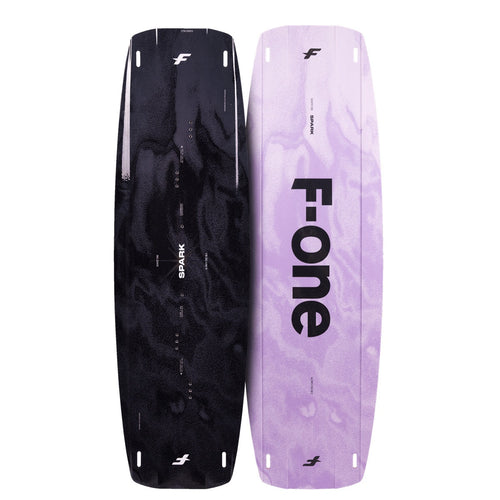
Wingfoil board
It should be tailored to your body weight and fitness level.

Foil
It consists of mast, fuselage, front and rear wings – responsible for
the lift.

You will also need:

wetsuit
(depending on temperature)

Impact vest & helmet

Leash
(for board and wing)

If you are unsure which combination suits you best, you should seek our advice.

Wingfoiler springt mit und hält Wing mit einer Hand am Carbon Boom
Produktabbildung

F-ONE PRO SHOP – your partner for wingfoil experiences

Are you keen to try wing foiling or upgrade your equipment? Then you've come to the right place at the F-ONE PRO SHOP . As experienced wing foilers and experts in wing foils, foil boards, and accessories , we're here to support you with our expertise. Whether you're a wing foiling beginner or an ambitious rider, you'll find high-quality F-ONE products, helpful wing foiling tips on the basics and riding techniques , and personalized advice tailored to your skill level and preferred location.

Do you have questions or would you like some advice? Then simply call us on +49 172 815 794 7 or send us an email to info@fone-pro-shop.de – we will be happy to help you and look forward to hearing from you.

Still questions?

Do you have general questions, need personal advice, or would like to request a set price quote?

Then feel free to contact us by phone at +49 172 8157 947 or write to us via the "Contact" button.